
Trèves
CETI and Trèves Collaborate to Develop Lightweight PET Nonwovens for Automotive Acoustic Insulation
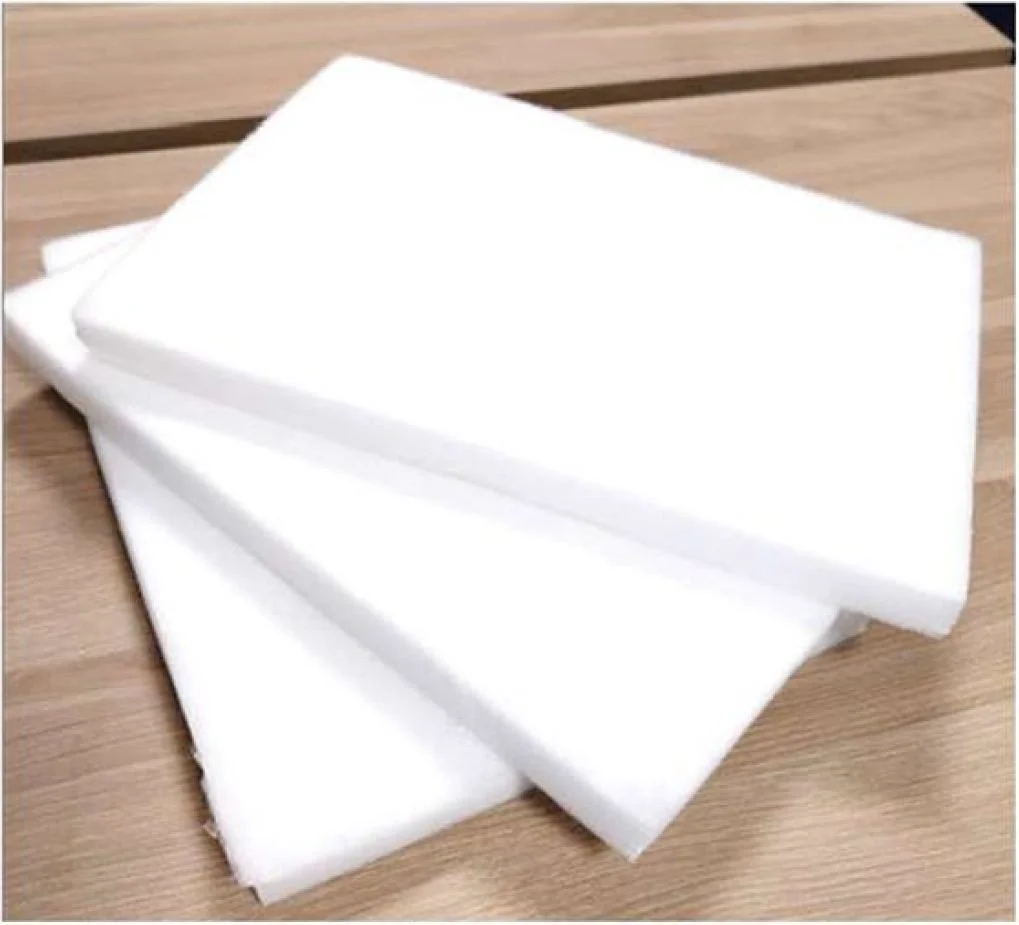
Project overview
The automotive industry is increasingly seeking lightweight, sustainable and recyclable materials to improve acoustic comfort while reducing vehicle weight, particularly for electric vehicles.
In this context, the development of high-performance PET (polyethylene terephthalate) nonwoven felts offers promising opportunities for automotive noise insulation. These materials can combine low weight, acoustic performance, thermoformability and recyclability, making them an attractive alternative to conventional cotton felts and polyurethane foams.
In collaboration with Trèves, CETI (European Centre for Innovative Textiles) conducted experimental trials on its drylaid nonwoven pilot platform, combining carding, cross-lapping and oven bonding technologies. These trials enabled the development of PET nonwoven samples and the investigation of manufacturing conditions for lightweight automotive acoustic insulation applications.
The Challenge of Automotive Acoustic Insulation
Acoustic insulation is a key challenge in automotive design. Manufacturers must achieve effective noise reduction while limiting vehicle weight and improving material sustainability.
Conventional solutions, including recycled cotton felts, polypropylene meltblown materials and polyurethane foams, each offer specific advantages but also present limitations in terms of weight, mechanical properties, thermoformability or end-of-life recyclability.
PET-based nonwovens represent a promising alternative. By carefully selecting and combining different fibre types, it is possible to tailor the porous structure and mechanical properties of the felt to meet the requirements of acoustic insulation applications.
The development work investigated lightweight PET felt formulations designed to combine efficient acoustic insulation with reduced material consumption and improved recyclability.
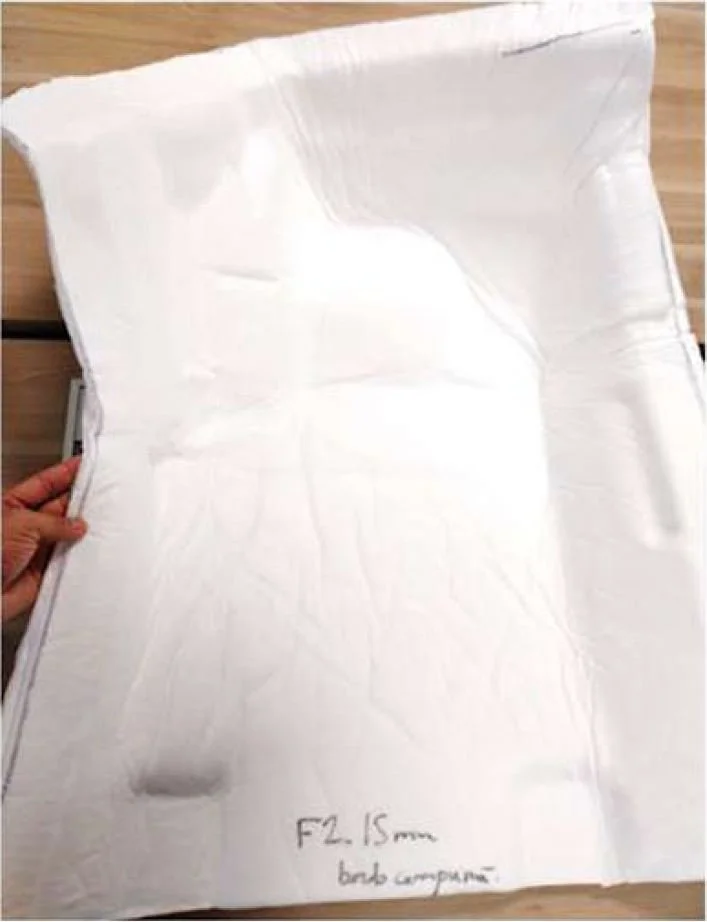
Experimental Development at CETI
The development trials were carried out on CETI’s pilot platform, using a drylaid nonwoven manufacturing route based on three main processing steps:
Carding: opening, individualisation and orientation of the fibres to form a fibrous web.
Cross-lapping: superimposing successive layers of the web to obtain the required structure and basis weight.
Oven bonding: consolidating the fibrous assembly through thermal bonding, enabling the production of a coherent nonwoven felt.
This combination of technologies provides a versatile pilot-scale environment for investigating PET fibre processing, evaluating manufacturing conditions and producing lightweight nonwoven felts for further characterisation in automotive acoustic insulation applications.
Technical Challenges and Opportunities
Developing lightweight acoustic felts requires a balance between several properties, including acoustic insulation, sound absorption, mechanical behaviour and material density.
Fibre characteristics play a particularly important role. Fine fibres can improve acoustic energy dissipation, while coarser fibres or fibres with specific cross-sectional geometries can contribute to the mechanical properties required for insulation applications behind heavy acoustic barriers.
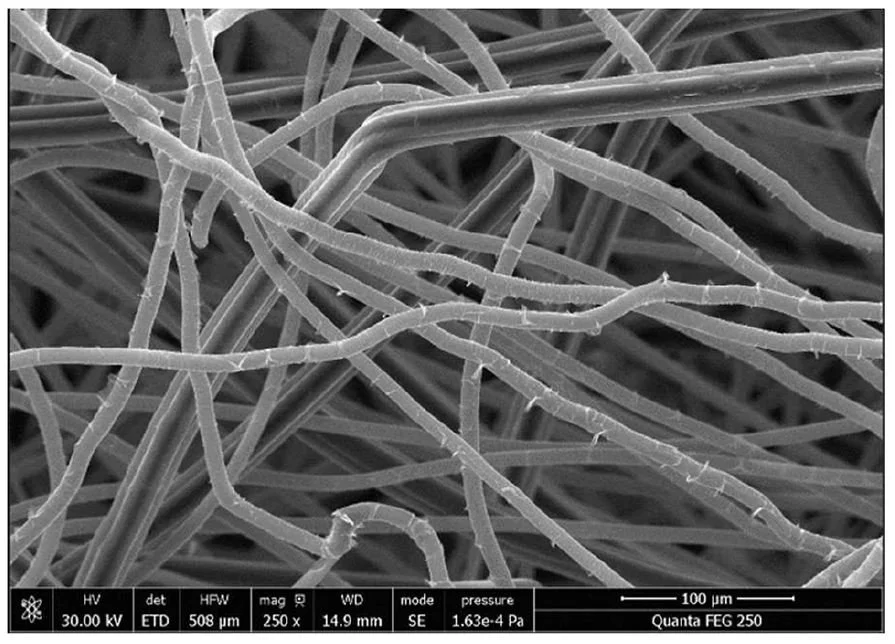
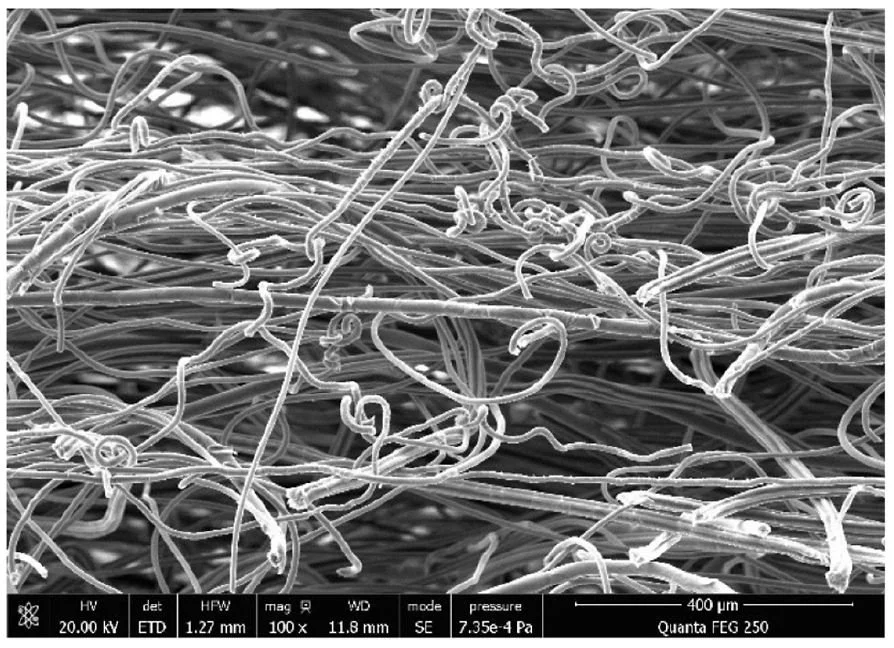
The thermal bonding process is also essential for obtaining a stable nonwoven structure while maintaining the desired balance between flexibility, stiffness and density.
The carding, cross-lapping and oven bonding route provides a versatile manufacturing approach for developing and evaluating these types of fibrous structures.
Towards More Sustainable Automotive Materials
The development of lightweight PET felts supports the automotive industry's transition towards more sustainable acoustic insulation solutions.
Up to 50%
Weight Reduction
Compared with conventional cotton felt, while achieving comparable acoustic insulation performance in the configurations studied.
Source: SAE Technical Paper 2026-01-0702.
According to the associated research published by the project partners, optimised PET felt formulations can achieve acoustic insulation performance comparable to established reference materials, with a weight reduction of up to 50% compared with conventional cotton felt in the configurations studied.
The research also highlights the potential of recycled PET fibres and PET-based material systems to support circularity, subject to formulation and processing constraints.
These developments offer opportunities to reduce material weight while maintaining the functional performance required for automotive applications.
CETI as a Technology Co-Development Partner
Through its pilot-scale processing capabilities, CETI contributed to the experimental development of PET nonwovens using carding, cross-lapping and oven bonding technologies.
The trials were conducted at CETI with the active participation of Trèves' teams, enabling close technical collaboration and real-time adjustments to the experimental plan based on the results obtained. This interactive approach highlights CETI's flexibility, responsiveness and commitment to addressing its partners' specific technical challenges.
Beyond producing and evaluating innovative materials, each trial provided an opportunity for CETI's experts to analyse the results, investigate both successful and unsuccessful outcomes, and share valuable insights into the relationships between fibre properties, processing parameters and final material performance.
This collaborative approach goes beyond technology development: it provides partners with a deeper understanding of materials and manufacturing processes, helping them make informed decisions and accelerate their innovation projects.
By combining industrial expertise, pilot-scale experimentation and continuous knowledge sharing, CETI acts as a technology co-development partner, supporting the development of lightweight, high-performance and more sustainable nonwoven solutions for the automotive industry and beyond.
Scientific Publication
For further information on the research and acoustic performance of lightweight PET felt formulations, read the scientific paper published by SAE International:
Authors: Arnaud Duval, Lei Lei, Alexandre Wilkinson and Eric Delinselle — SAE Technical Paper 2026-01-0702.
Acknowledgements
The CETI team sincerely thanks Trèves for its trust and for the opportunity to contribute its expertise and pilot-scale development capabilities to this innovative project. We greatly value the close technical collaboration between our teams.

Develop Your Next Nonwoven Innovation with CETI
Are you looking to develop innovative nonwoven materials, optimise manufacturing processes or validate new material formulations?
CETI supports industrial partners from proof of concept and prototyping to pilot-scale validation, combining advanced textile technologies with dedicated technical expertise.
