FILL
FILL
Developing Biodegradable Mussel Farming Nets for Sustainable Aquaculture
Innovating for a more sustainable marine environment
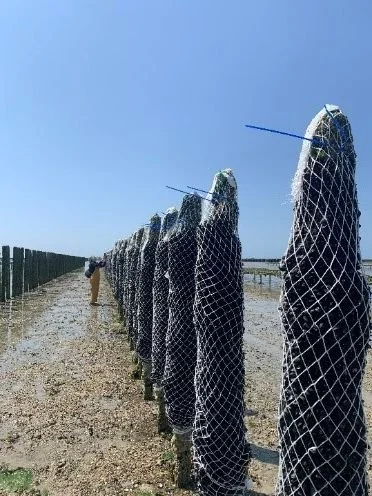
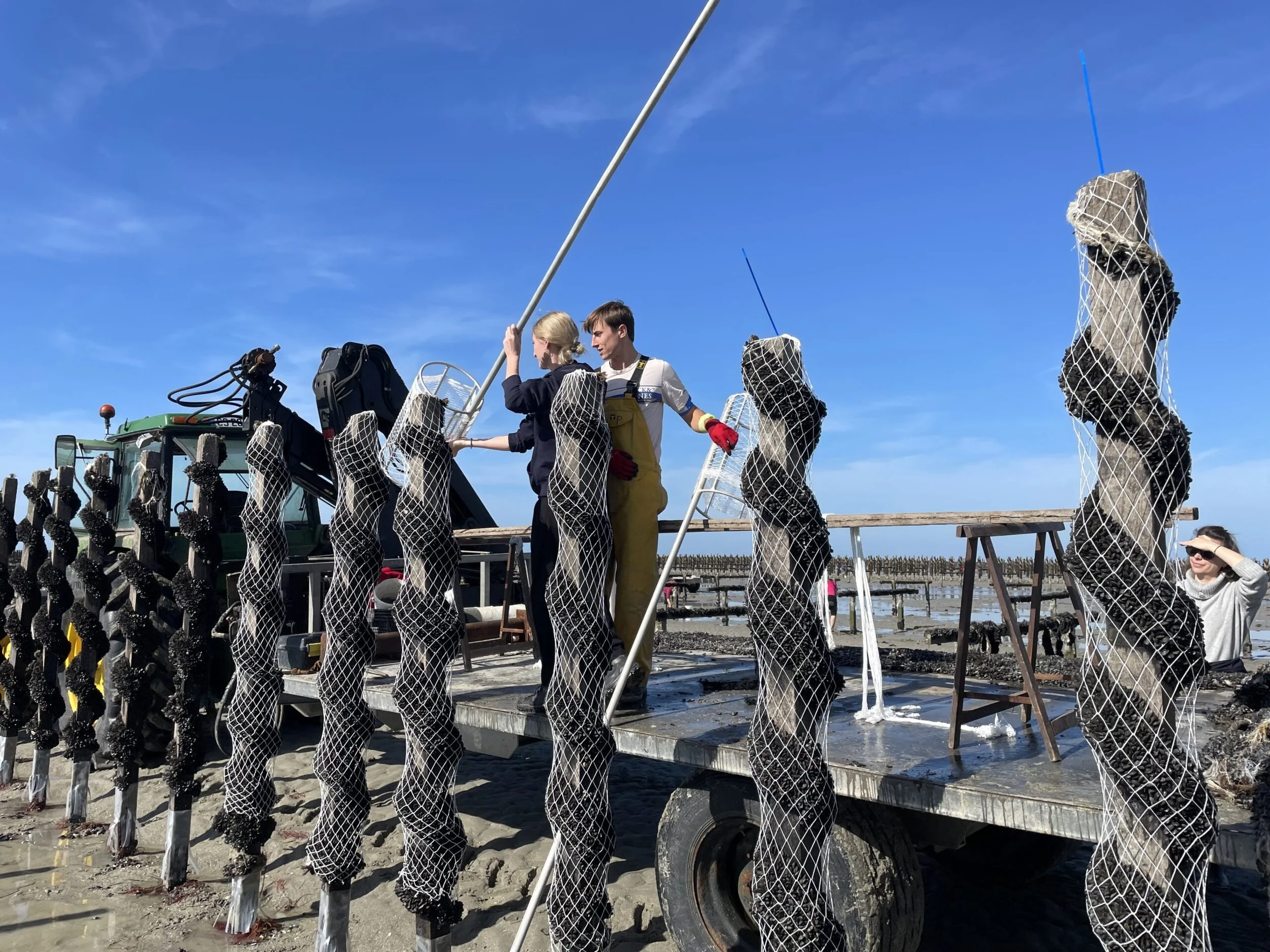
The FILL project (Filet Innovant pour la cuLture des mouLes) aims to develop a new generation of biodegradable mussel farming nets designed to reduce the environmental impact of aquaculture activities.
Traditionally, mussel farming nets are made from conventional plastics that can generate persistent waste and contribute to marine pollution at the end of their life cycle. The FILL project addresses this challenge by developing innovative textile solutions capable of combining:
Industrial performance
Controlled durability during use
Improved end-of-life management
Reduced environmental impact
The project brings together industrial, technological and scientific partners committed to supporting the transition toward more sustainable aquaculture practices.
Toward a new generation of sustainable aquaculture textiles
FILL demonstrates how textile innovation can contribute to reducing the environmental footprint of industrial sectors beyond traditional apparel applications.
By combining advanced materials, industrial textile processes and field validation, the project opens new opportunities for:
Sustainable marine equipment
Biodegradable technical textiles
Circular material strategies
Responsible industrial innovation
The project fully aligns with CETI’s mission to develop and industrialise innovative textile solutions supporting:
Circularity
Sustainable materials
Bio-based and biodegradable textile developments
Industrial transition toward lower environmental impact solutions
-
The FILL project focuses on the development and industrial validation of biodegradable textile structures adapted to mussel farming applications.
Key objectives include:
Developing biodegradable materials compatible with marine environments
Designing nets with controlled service life and degradation behaviour
Ensuring mechanical resistance and durability during use
Reducing plastic pollution linked to aquaculture equipment
Supporting the emergence of more circular and sustainable marine industries
-
Project partners:
University of South Brittany (UBS) – ComposiTIC & Lab-STICC
UBS coordinates the project and contributes expertise in biodegradable materials, marine ageing studies and user acceptability analysis for aquaculture applications.
NaturePlast
NaturePlast develops bio-based and biodegradable polymer formulations compatible with spinning and knitting processes for mussel farming nets.
FILT 1860
FILT 1860 designs and manufactures the prototype nets, ensuring compatibility with professional aquaculture practices and industrial requirements.
CETI – European Centre for Innovative Textiles
CETI develops and optimises the spinning of biodegradable multifilament yarns using its pilot and semi-industrial textile platforms.
SMEL – Synergie Mer et Littoral
SMEL coordinates field trials and evaluates the behaviour and durability of the nets in real marine conditions.
CRC Normandie Hauts-de-France
The CRC represents mussel farming professionals, organises sea trials and supports the adoption of the new biodegradable solutions by the sector.
CETI’s expertise in the project:
Technical textile development
Fibre and yarn processing
Textile transformation technologies
Industrial pilot-scale validation
Sustainable textile engineering
-
👉 Discover CETI’s expertise in sustainable textile
👉 Learn more about CETI’s developments in bio-polymers
👉 Explore CETI’s expertise in textile recycling and eco-design